The full review
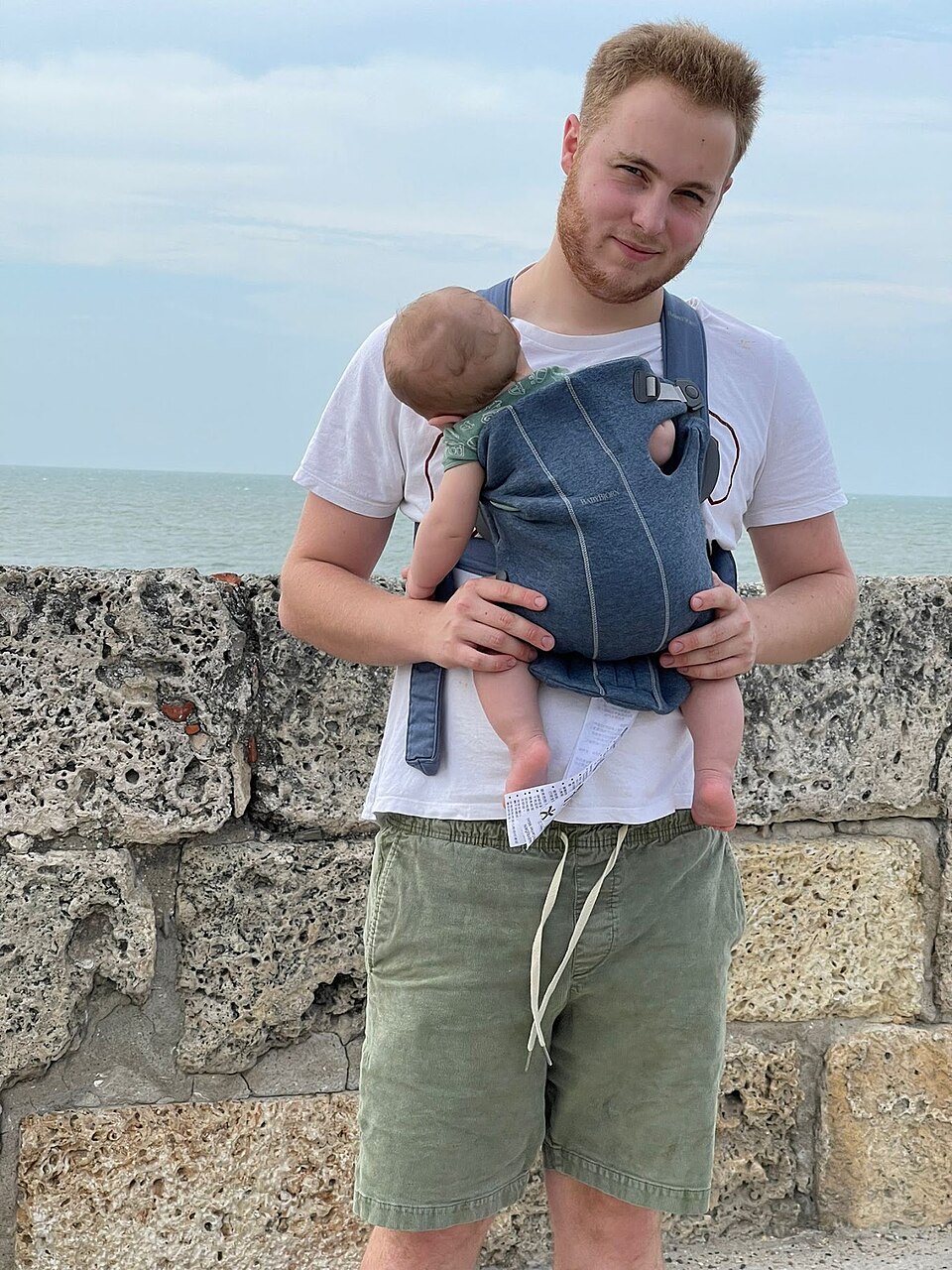
A good baby carrier is freedom: shopping, cooking, walking the estate — all with both hands free and the baby sleeping against your chest. Structured carriers with padded shoulder straps and a waist belt distribute the weight properly, unlike wraps that hang it all on your shoulders.
The ergonomic standard to check: baby's legs should sit in the M-position (knees higher than bottom, legs spread), which protects hip development. Cheap carriers that dangle the legs straight down are worth avoiding regardless of price.
Use cases in Kenyan life: matatu rides where a stroller can't go, market shopping, soothing a fussy baby while you keep moving. Front-facing-in for newborns, front-facing-out when neck control develops (around 5-6 months), back carry for toddlers.
Key features
- Ergonomic M-position seating
- Padded straps + waist support belt
- Front and back carry positions
- Adjusts 3.5kg to ~20kg
- Breathable fabric panels